Aircraft Electric Tow Bar – Mini Max Style: Dependable Light Aircraft Mobility
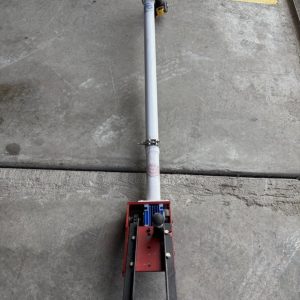
The Aircraft Electric Tow Bar – Mini Max Style provides convenient powered assistance for pilots, aircraft technicians, private owners, and aviation businesses that need dependable movement inside or around a hangar. For aircraft owners who frequently enter or leave a tight hangar, an Aircraft Electric Tow Bar can make routine ground movement more manageable.
A used check here Electric Tow Bar for Aircraft can provide strong practical value when its drive system, frame, connections, controls, and included accessories remain in good condition. Before purchasing a Used Electric Aircraft Tow Bar, operators should confirm that the unit functions properly and can attach securely to the intended aircraft.
The Mini Max Aircraft Tow Bar style is well suited to operators who need powered ground movement but have limited hangar space or transportation capacity. Purchasing an Aircraft Tow Bar with Drill and Aircraft Tow Bar with Charger can reduce setup delays and help the operator maintain a ready-to-use ground-handling system.
As a Portable Aircraft Tow Bar, the unit can be stored more easily than a traditional tug and may be transported between hangars, maintenance areas, or aircraft storage locations. The Electric Airplane Tow Bar configuration offers powered assistance for controlled movement while remaining compact enough for many private aviation environments.
When evaluating Aircraft Ground Handling Equipment, owners should compare towing capacity, aircraft connection, controls, storage size, portability, and total operating cost. This Aircraft Mobility Equipment can support controlled ground movement while offering the compact characteristics expected from a Light Aircraft Tow Bar.
Overview of the Aircraft Electric Tow Bar – Mini Max Style
A Mini Max-style electric tow bar can help the operator guide an aircraft into or out of a hangar while maintaining close control over direction and speed. The buyer should assess the complete operating environment because aircraft weight alone does not determine whether the tow bar is suitable.
A Mini Max-style unit may help operators manage tight hangar spaces where a larger tug would be difficult to store, turn, or operate. The operator should stop immediately if visibility, traction, control, or aircraft clearance becomes uncertain during movement.
Choosing an Electric Tow Bar for Aircraft
The powered system can make aircraft movement more manageable for operators who find traditional pushing and pulling physically demanding. Owners may use the unit when positioning an aircraft for departure, inspection, servicing, photography, washing, or long-term storage.
A tow bar allows the aircraft to be repositioned without operating the engine in confined areas where propeller safety and ventilation are concerns. The operator should follow the aircraft manufacturer’s towing guidance and avoid exceeding steering, nose-wheel, or tow-point limitations.
Buying a Used Electric Aircraft Tow Bar
A Used Electric Aircraft Tow Bar can provide excellent value when it has been operated carefully, stored correctly, and supplied with functioning powered accessories. Its replacement by a dedicated tow tug does not necessarily indicate a performance problem, but the current condition should be confirmed independently.
Current images should show the complete tow bar from several angles as well as close views of high-load areas and identification markings. A video demonstrating connection, forward movement, reverse movement, steering, stopping, drill operation, and charging can provide valuable evidence for a remote buyer.
Mini Max Aircraft Tow Bar Operation
A Mini Max Aircraft Tow Bar can be particularly useful for private pilots, individual hangar owners, flying clubs, and small aviation businesses. The close-control configuration can help users align the aircraft carefully with hangar doors, parking marks, maintenance positions, or storage areas.
Aircraft compatibility depends on the nose-wheel or tail-wheel arrangement, tow attachment, aircraft weight, wheel fairings, ground clearance, and steering limitations. Operators should inspect the attachment before every use and stop if the unit shifts, loosens, interferes, or behaves unexpectedly.
Benefits of an Aircraft Tow Bar with Drill
The Aircraft Tow Bar with Drill design may appeal to users who prefer readily understood controls and replaceable battery-powered equipment. The selected drill must remain firmly connected to the drive system and should be inspected for heat, unusual noise, slipping, or excessive load.
Familiarity with the drill response, steering behavior, stopping distance, and reverse control can improve confidence and reduce handling errors. Routine checks can identify worn interfaces, loose fasteners, battery concerns, damaged housings, and drive-system problems before the next aircraft movement.
Aircraft Tow Bar with Charger Package
Including the charger can simplify setup for the new owner and help maintain the drill battery between aircraft-moving operations. Correct charger compatibility protects battery performance and reduces the risk of overheating, incomplete charging, or damage to the power system.
Regular charging and proper storage can help preserve battery health, particularly when the tow bar is used only occasionally. Good battery management is an essential part of dependable operation for any drill-powered aircraft tow bar.
Portable Aircraft Tow Bar Applications
A Portable Aircraft Tow Bar gives operators powered mobility equipment that is not permanently tied to one parking position or storage area. Loose accessories such as the drill, charger, adapters, pins, and fasteners should be stored separately in labeled protective containers.
The tow bar should be stored where it does not block aircraft movement, emergency access, doors, electrical panels, tools, or pedestrian routes. Shared facilities may benefit from assigning responsibility for charging, inspection, storage, and reporting any equipment concerns.
Powered Aircraft Tow Bar Performance
A Powered Aircraft Tow Bar can provide controlled force for moving an airplane while reducing dependence on manual pushing, pulling, or assistance from several people. The intended user should verify capacity and compatibility rather than assuming that previous operation guarantees suitability for every light aircraft.
The user should maintain a clear escape path and avoid standing where the aircraft or tow bar could trap them against a fixed object. Aircraft brakes, chocks, tie-down procedures, and facility practices should be used as appropriate after the airplane reaches its intended position.
Electric Airplane Tow Bar Applications
General aviation users may choose an Electric Airplane Tow Bar for personal convenience, reduced manual strain, compact storage, and straightforward powered operation. Aircraft type alone is not enough to confirm fitment because landing-gear design, tow points, wheel pants, tire dimensions, steering limitations, and weight distribution can vary.
The operating area should be inspected for loose gravel, oil, water, ice, cables, thresholds, floor drains, uneven pavement, and other conditions that can reduce traction or interrupt movement. Familiarity with the equipment supports smoother handling and reduces the likelihood of sudden, incorrect, or unsafe control inputs.
Maintaining Aircraft Ground Handling Equipment
Larger powered tugs may be more appropriate when operators move several aircraft, work on significant gradients, or require continuous heavy-duty operation. The most suitable equipment provides reliable function, confirmed compatibility, manageable maintenance, safe control, and reasonable long-term ownership cost.
Ground equipment should be examined regularly because repeated towing loads can loosen fasteners, wear wheels, stress connections, and damage drive components. Preventive maintenance is generally easier and less costly than dealing with equipment failure while an aircraft is partially moved.
Aircraft Hangar Tow Bar Benefits
An Aircraft Hangar Tow Bar is most useful when the aircraft must pass through a limited door opening or park close to walls, equipment, or another airplane. The hangar environment should be prepared before the aircraft is attached so the operator can focus entirely on controlling movement.
The user should avoid distractions, phone use, conversations, and unnecessary activity while the aircraft is moving. The drill, charger, adapter, and loose hardware should be returned to their assigned storage locations after use.
Aircraft Moving Equipment Benefits
Compact moving equipment can be valuable for private aircraft that are stored in confined spaces or repositioned frequently for flights and maintenance. A unit that performs well under ideal conditions may have reduced capability when traction is poor or the aircraft must cross a threshold or incline.
Only the intended tow connection should receive the towing load, and the operator should avoid improvised methods that can damage the aircraft. Wheels, pins, bolts, adapters, drive parts, and handles should be replaced when wear affects safe or predictable operation.
Electric Aircraft Mover Maintenance
An Electric Aircraft Mover can offer lower storage demands and simpler operation for owners who do not need commercial towing capacity. Operators should recognize signs of overload, including drill strain, repeated stopping, wheel slip, excessive heat, slow movement, unusual noise, or attachment distortion.
The equipment may have fewer complex systems than a full-size tug, potentially reducing routine ownership requirements. Recording drill and battery model numbers can simplify future replacement and help the buyer confirm compatibility with spare equipment.
Aircraft Mobility Equipment for Hangar Efficiency
The right Aircraft Mobility Equipment can improve hangar efficiency by allowing aircraft to be moved without reorganizing personnel or starting engines unnecessarily. The unit may complement wheel dollies, chocks, jacks, manual tow bars, and other equipment used in a general aviation hangar.
Written instructions can include setup, attachment, starting, steering, reversing, stopping, disconnecting, charging, and storage procedures. Safe ground handling depends on keeping equipment selection aligned with current rather than previous requirements.
Light Aircraft Tow Bar Selection
Private owners often choose light-aircraft equipment because it is easier to handle and maintain than machinery designed for larger commercial aircraft. Photographs and measurements of the aircraft tow area may help the seller determine whether the existing adapter is suitable.
A properly prepared aircraft should roll smoothly enough that the tow bar provides assistance rather than excessive force. Careful selection and maintenance allow compact towing equipment to remain a dependable part of private aircraft ownership.
Aircraft Electric Tow Bar Maintenance
Preventive care helps operators identify minor wear before it becomes a failure that interrupts aircraft movement or risks damage. Occasional users should test the battery and charger periodically because electrical accessories can deteriorate even while stored.
- Inspect the frame, welds, handles, wheels, fasteners, adapters, attachment points, drive system, drill connection, and visible wear before use.
- Check the charger cable, battery contacts, drill chuck, drive interface, control response, and available power before an important movement.
- Clean and store the tow bar, drill, charger, adapters, pins, and hardware in a dry, organized, protected location after operation.
Choosing the Right Aircraft Electric Tow Bar – Mini Max Style
The Aircraft Electric Tow Bar – Mini Max Style can be an excellent choice for compatible light-aircraft owners who need portable powered assistance for routine hangar positioning. The strongest purchase decision begins with confirming aircraft compatibility, inspecting equipment condition, testing powered operation, reviewing package contents, and understanding the intended towing environment.
Whether the requirement is an Aircraft Electric Tow Bar, Electric Tow Bar for Aircraft, Used Electric Aircraft Tow Bar, or Mini Max Aircraft Tow Bar, compatibility and controlled operation should guide the selection. With correct fitment, careful operation, proper battery care, and routine inspection, the tow bar can provide convenient aircraft movement for many future hangar operations.